
Road Carbon Frames: Comparison, Prices and Weights (2026) – VeloExotique.fr
22 November 2026
Road Carbon Frames: Comparison, Prices and Weights (2026) – VeloExotique.fr
On Sunday mornings at the club café, there's always someone who turns up with a new bike. Aero frame, integrated handlebar, no visible cables… and that little smug smile as they park their bike next to yours. On the way home, you start doing the sums: a complete bike from a major brand costs as much as a small second-hand car. But a new frame? That might just be something you can negotiate with your partner!
That's exactly what this page is about. I've brought together 21 road carbon frames from Asian brands, priced from €477 to €2,699: aero frames, lightweight climbing frames and more versatile options. For each one, you'll find the price, weight and the standards that can cause headaches: bottom bracket, seatpost, fork steerer tube and drivetrain type. And if gravel riding is tempting you, take a look at my carbon gravel frames page or my comparison of all carbon frames.
Some links on this page are affiliate links: if you buy through them, I earn a small commission at no extra cost to you. It doesn't affect my opinion, but it helps pay for the website hosting… and the club coffee.

21 produits Aucun produit ne correspond à ces critères. 
Tantan/Seraph TT-R18
+ 1 caractéristique

TRIFOX X18
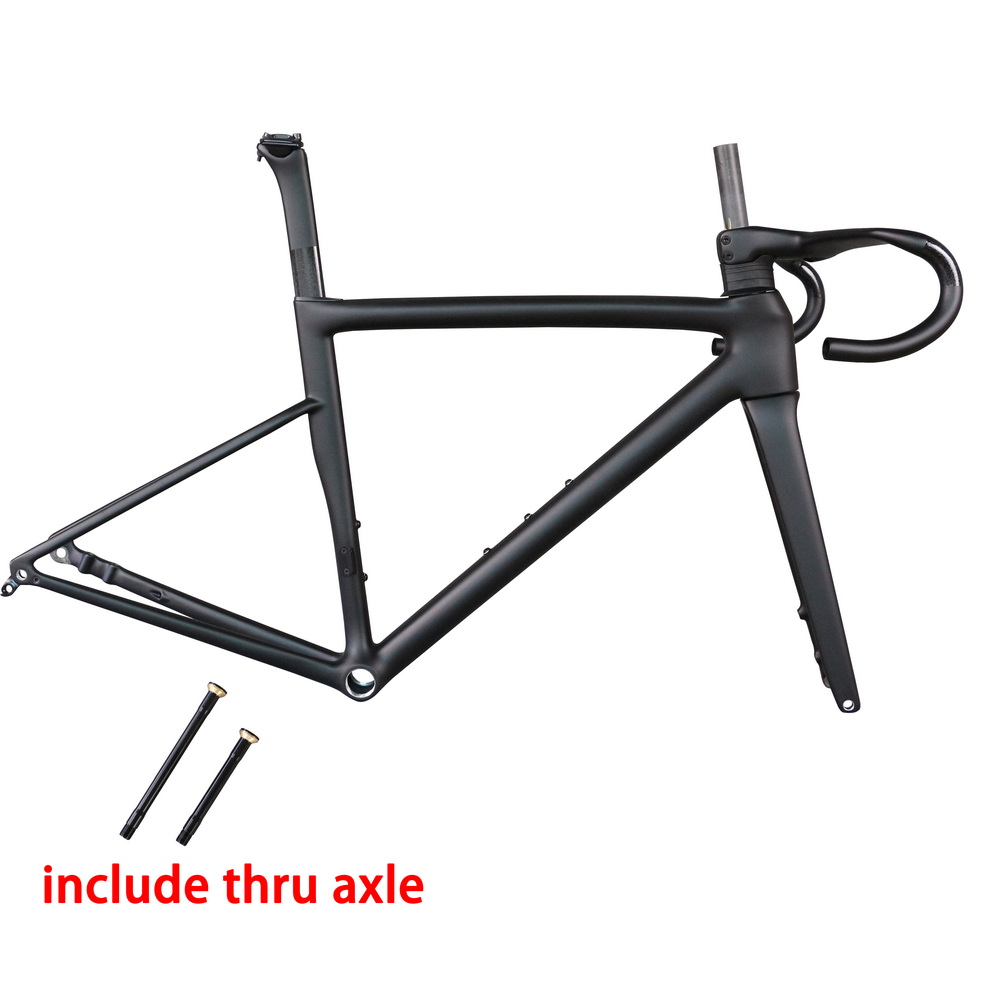
Tantan/Seraph TT-X68
+ 1 caractéristique

LightCarbon LCR018-D
+ 1 caractéristique
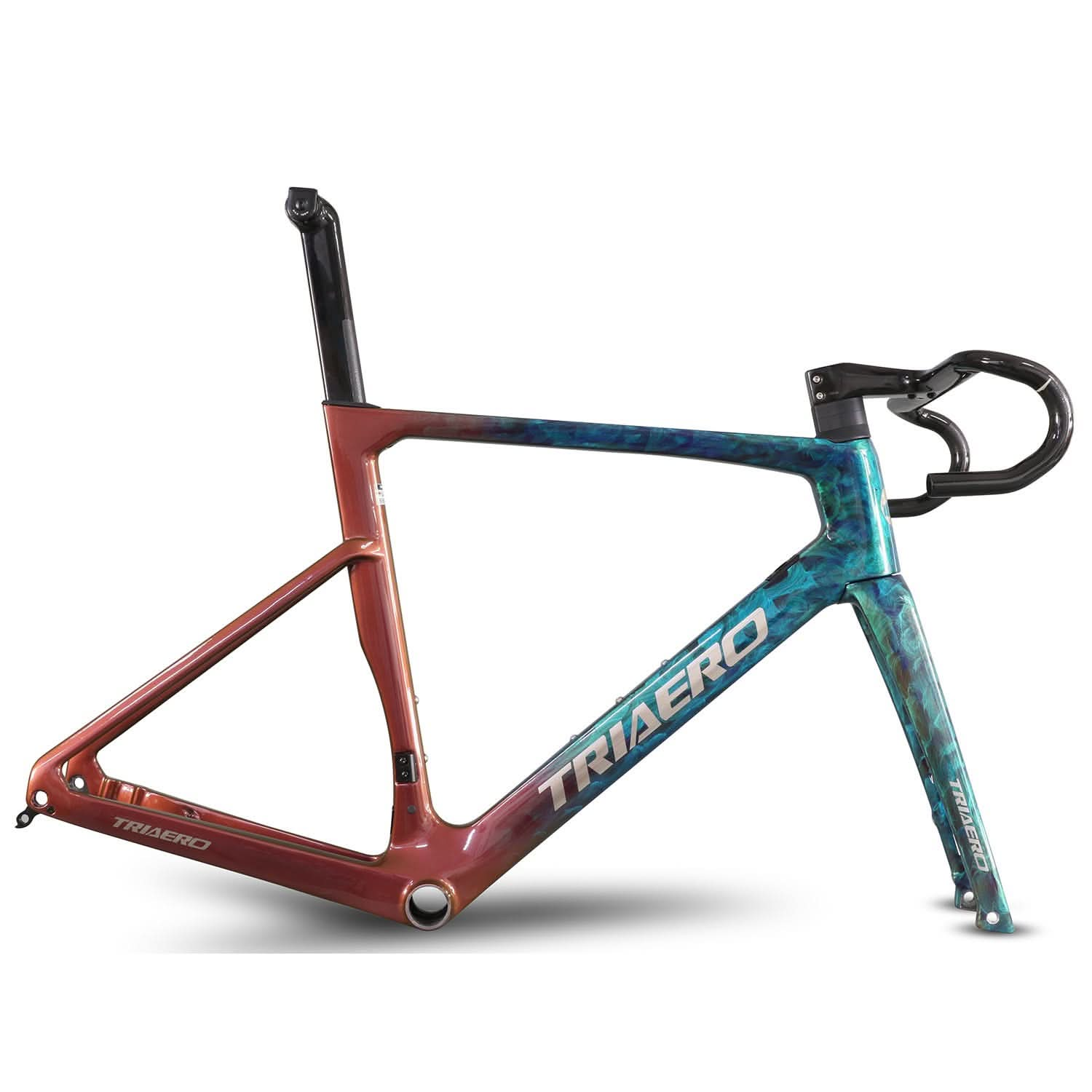
ICAN A9
+ 1 caractéristique
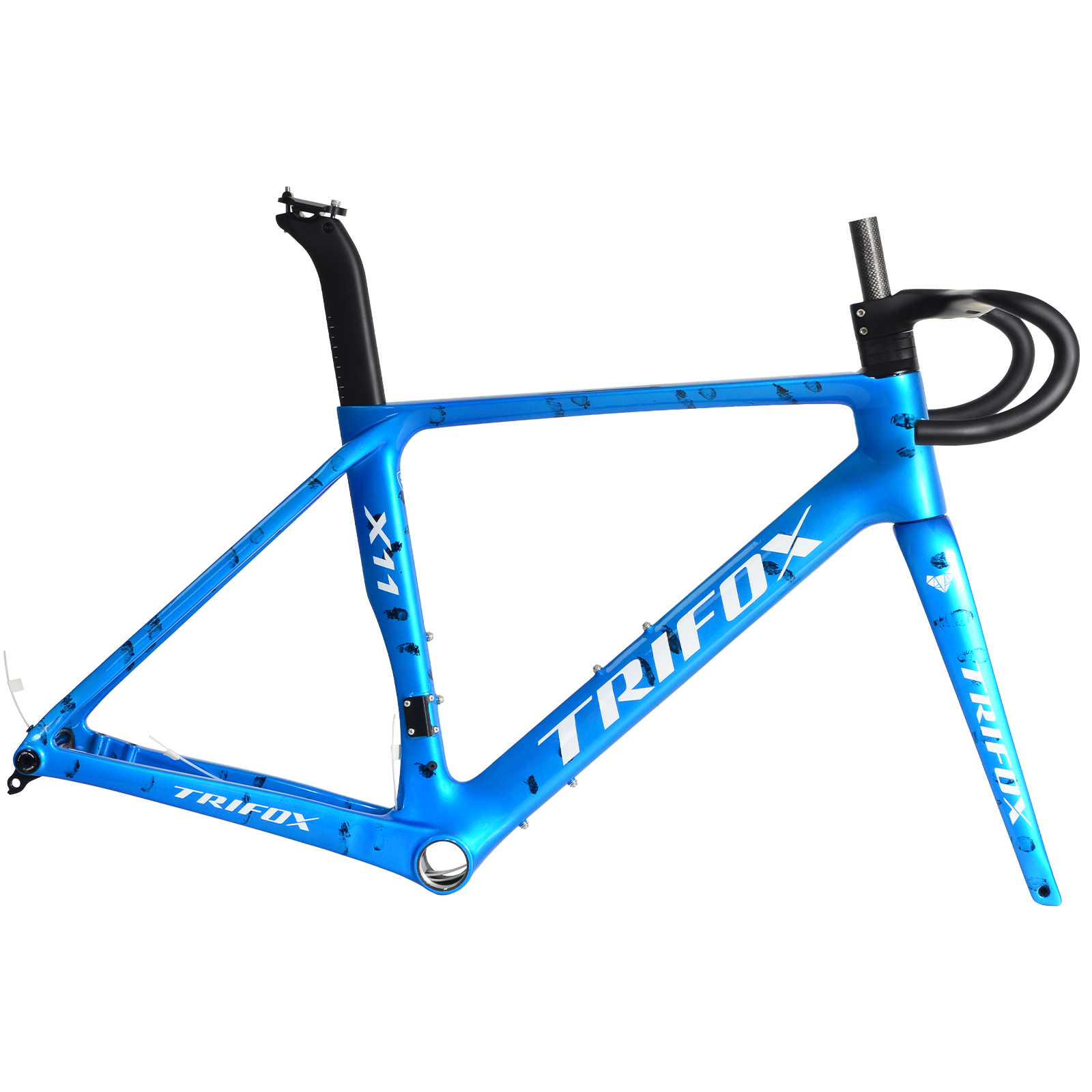
TRIFOX X11 + cintre (handlebar)
+ 1 caractéristique

ICAN Flyee
+ 1 caractéristique

Elves Bike Vanyar
+ 1 caractéristique

Elves Bike Avari

BXT GRAVEL
+ 1 caractéristique


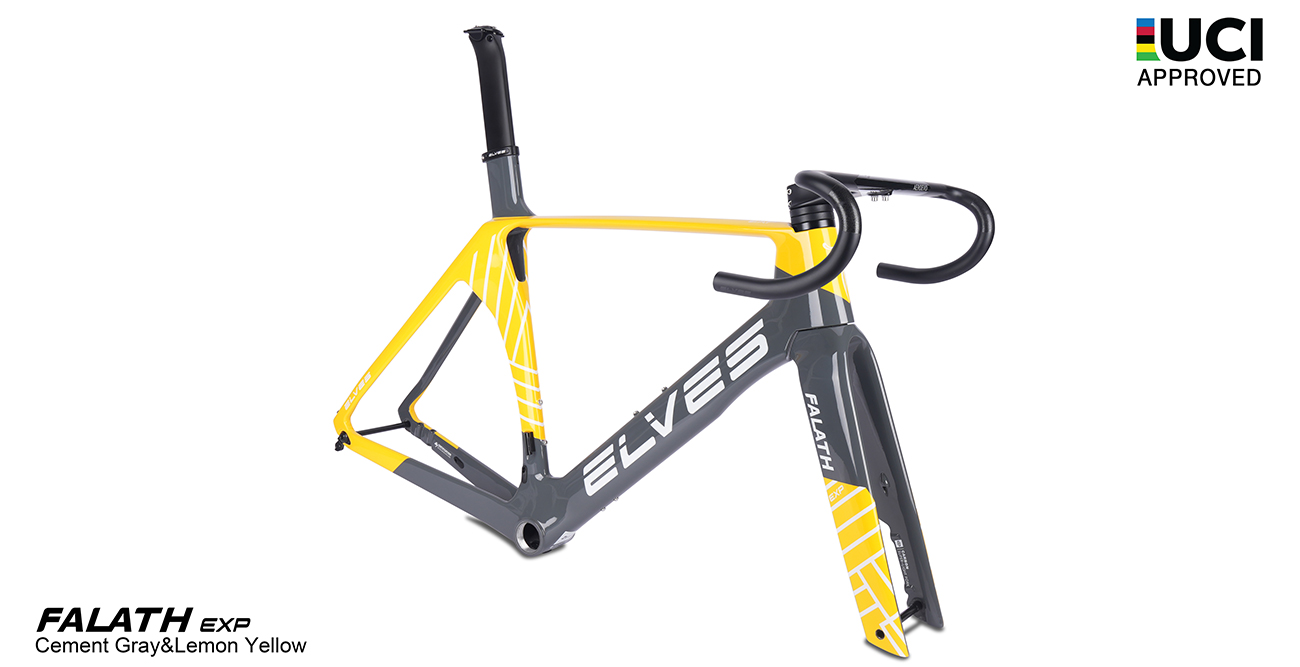

BXT gravel route
+ 1 caractéristique
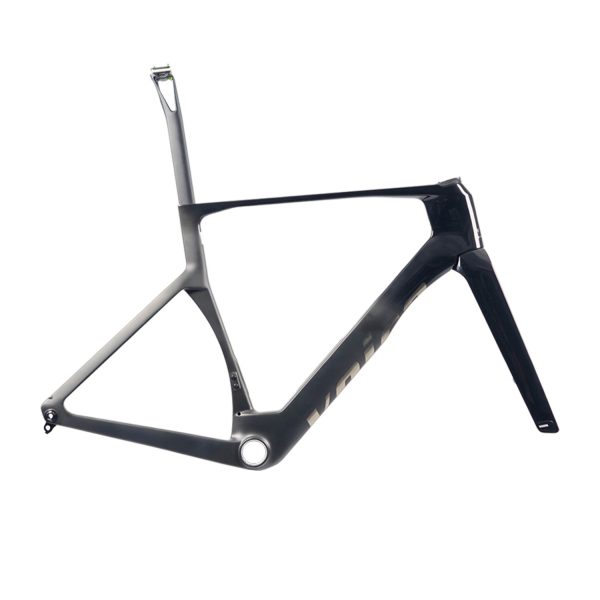
VoiceVelo VFV ECHO VH Aero Road
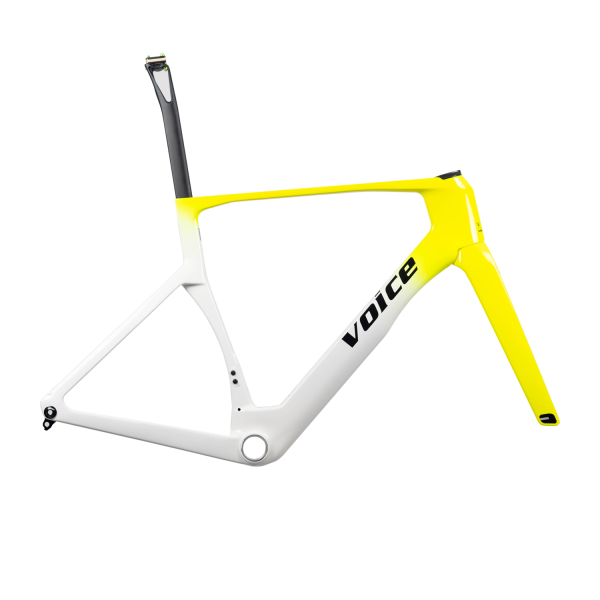
VoiceVelo VFV ECHO VO Aero Road
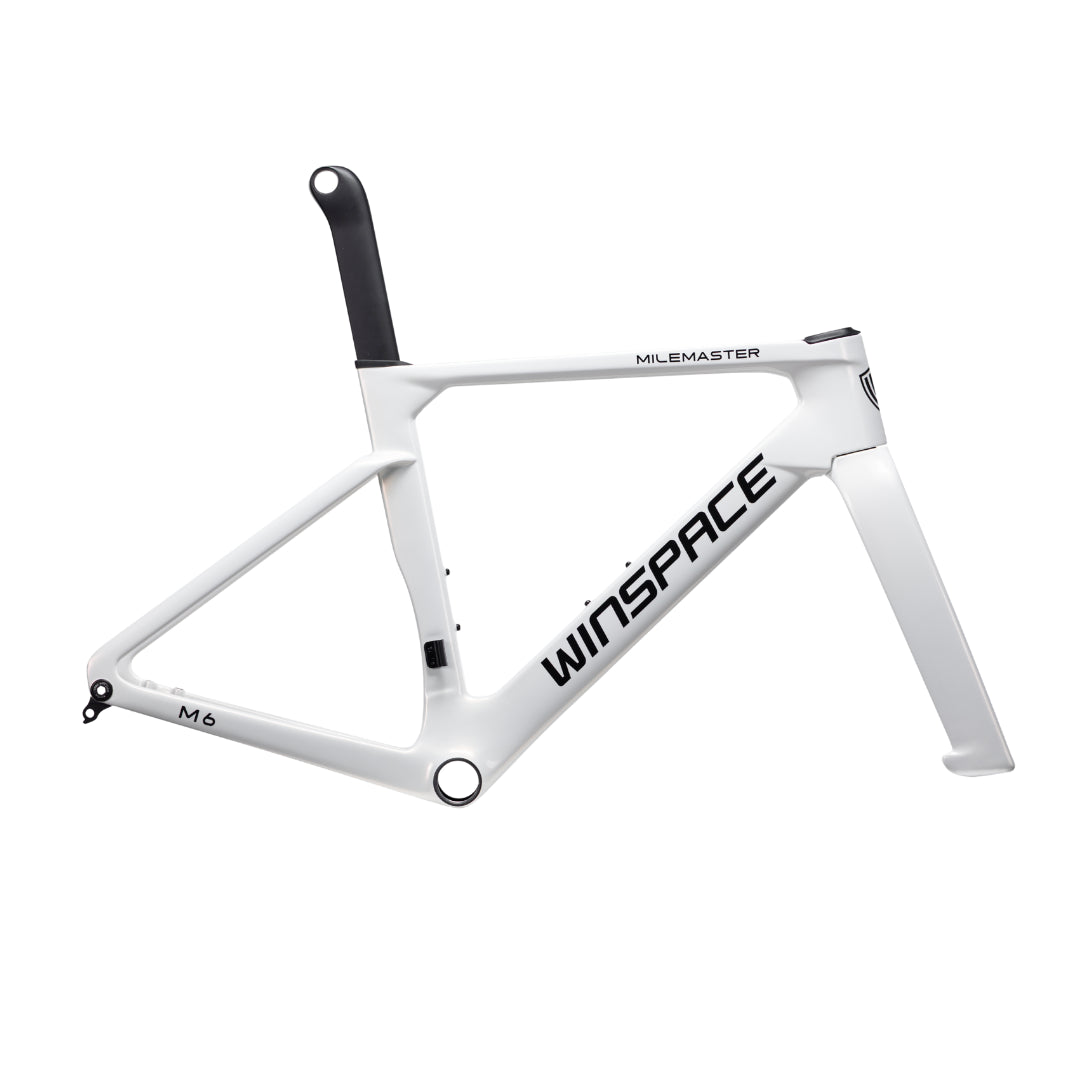
Winspace M6

Winspace Agile
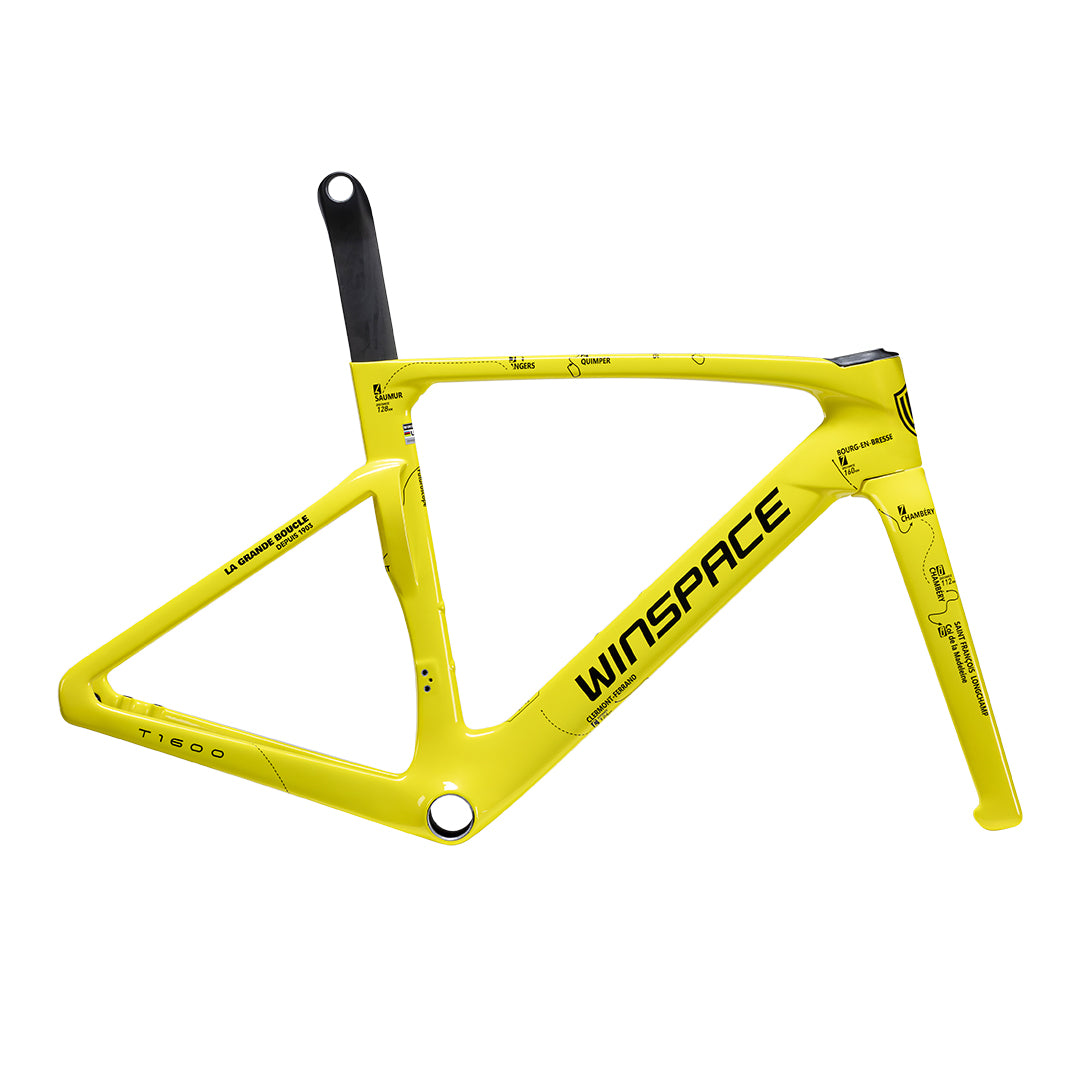
Winspace T1600
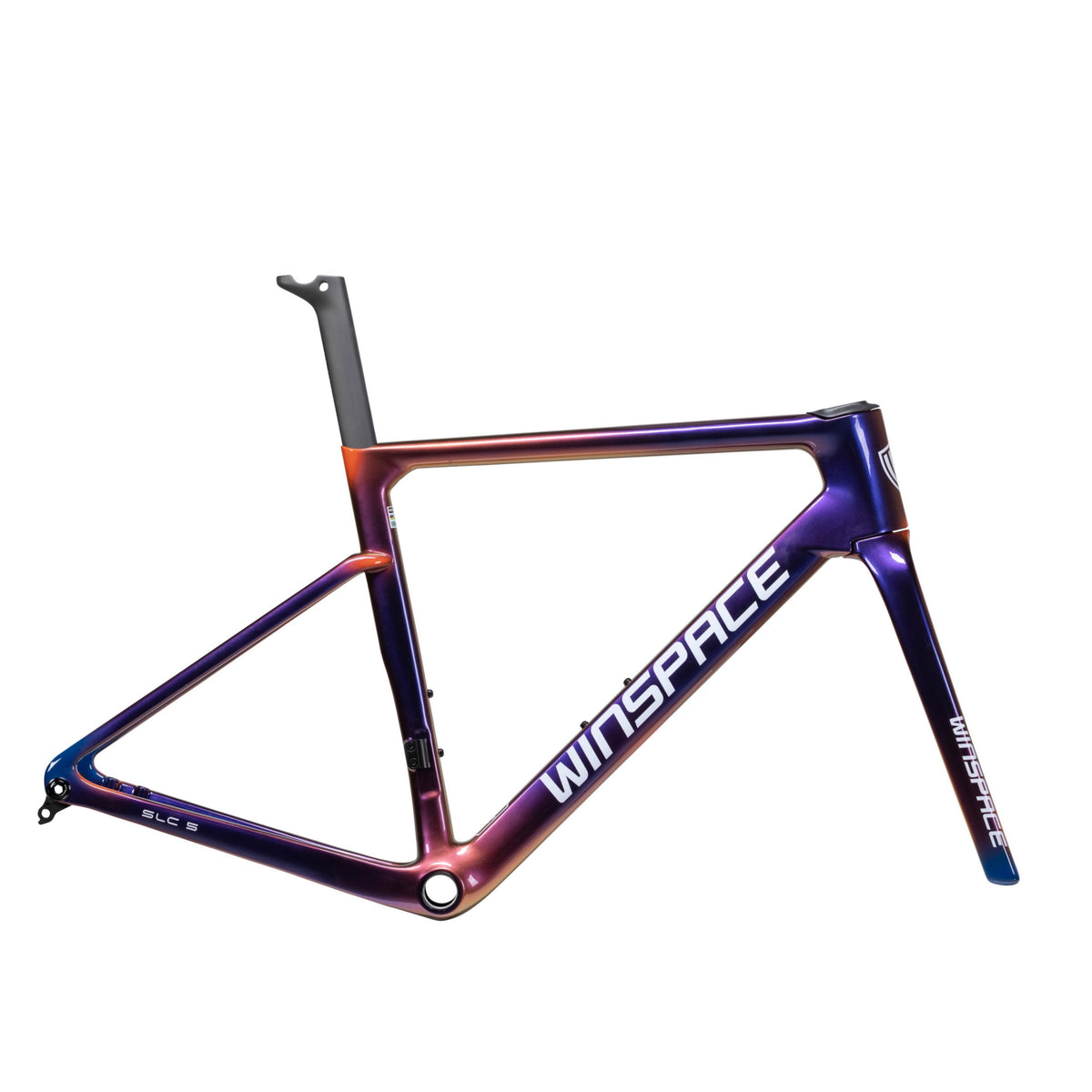
Winspace SLC5
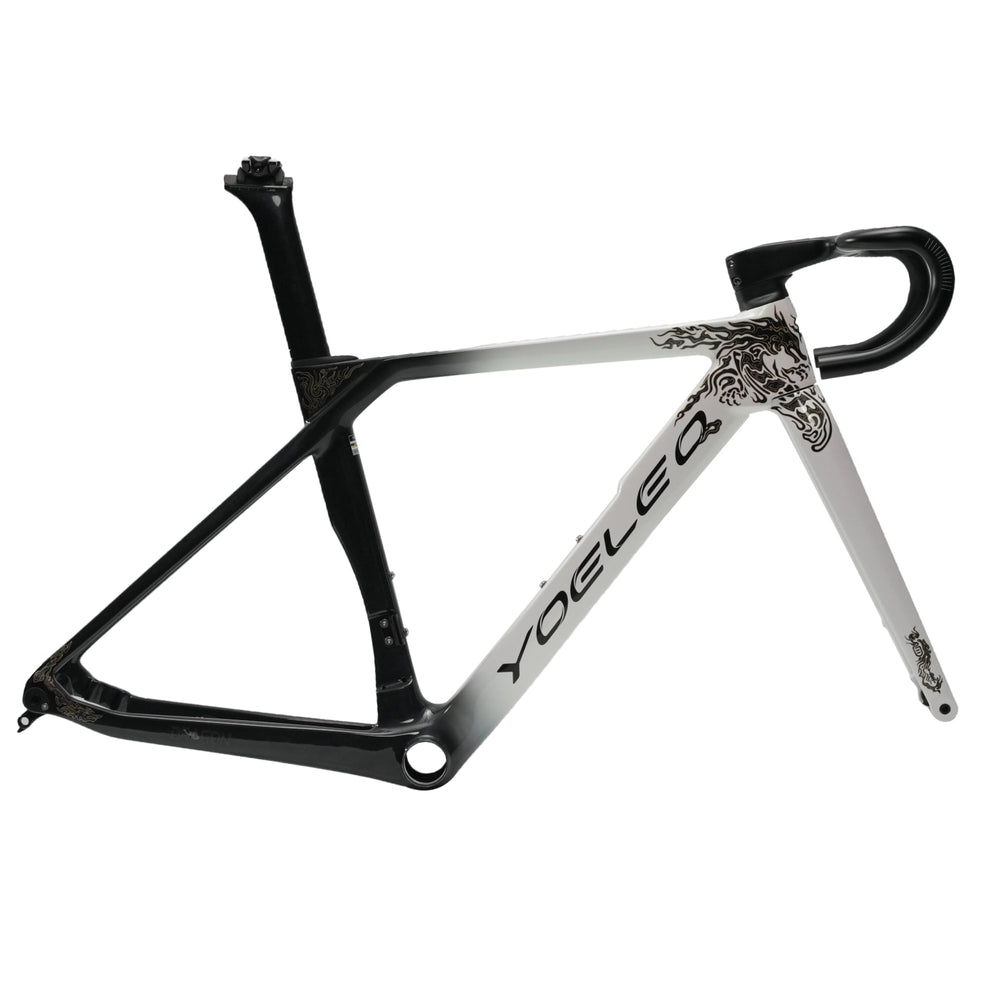
Yoeleo R12 Carbon Road
How I selected these road frames
I use the same method as for the overall comparison: prices recorded on the date of the latest update, weights as stated by the manufacturer, and only disc-brake frames with thru-axles that can be delivered to France. For road frames, I also flag two features that can prove costly after purchase: proprietary seatposts and mandatory electronic drivetrains. These are the two nasty surprises I come across most often when people get in touch after buying their frame!
Aero, lightweight or endurance: which road frame should you choose?
An aero frame? Aerodynamic tube profiles, often an integrated cockpit and fully hidden cables: this is the choice for riders who go fast and regularly ride on flat terrain. As with deep-section wheels, the benefits really start to become noticeable above 30 km/h. The trade-off is that these frames are generally slightly heavier, stiffer and more demanding to build. In this comparison: the ICAN A9, the Seraph TT-R18 (described as "aero" by the seller) and the VoiceVelo VFV ECHO VH and VO.
A lightweight climbing frame? Here, we're looking for low weight and stiffness when accelerating, for mountain climbs and hilly routes. The Seraph TT-X68 (1.42 kg), ICAN Flyee (1.43 kg) and Elves Vanyar (1.52 kg) are the lightest frames in this comparison. If you live in the north of the country, don't get too tempted: you'll have paid for grams you'll never have to climb with!
An endurance frame? A taller geometry, a less stretched-out riding position and greater tyre clearance: this is the choice for long rides, sportives and anyone whose back has already passed the age of 40 (I'm speaking from experience). In this comparison: the LightCarbon LCR018-D (described as "aero endurance"). And if you want even more versatility, a gravel frame with a set of road wheels works just as well.
How do you choose a road carbon frame?
Before clicking the buy button, it's worth taking a moment to think things through. Start by listing what you'll be keeping (groupset, wheels, stem, handlebar, seatpost) and what you'll need to replace. More than with any other type of bike, modern road frames have an annoying habit of sending your old components straight into retirement.
The integrated cockpit: sleek, but demanding
On many modern road frames, the cables and brake hoses run through the handlebar, stem and then the headset. It looks fantastic, but there are a few things you need to know before buying:
- Your current stem and handlebar probably won't be compatible. Internal cable routing often requires a specific cockpit and matching spacers. Some frames in this comparison are actually sold with their handlebar, such as the Trifox X11, or offered with an integrated cockpit depending on the seller.
- Adjusting your riding position becomes more complicated. Changing the stem length with an integrated handlebar often means replacing the entire handlebar. Get a bike fit BEFORE buying, not afterwards!
- Maintenance takes longer. Replacing a brake hose on a fully integrated bike means an evening of patience. Or a hefty bill from your local bike shop.
If you'd rather keep a conventional cockpit, check that the frame accepts a standard stem. In that case, a Toseek carbon stem and a Toseek TR30 handlebar will do the job nicely.
Proprietary seatposts
This is THE pitfall of road frames. In this comparison, four frames use proprietary seatposts: the Seraph TT-R18 and TT-X68, the Trifox X18 and the Elves Vanyar. They're often more aerodynamic and look better, but if you break one, or simply want a different setback, you're entirely dependent on the seller. And when they're on the other side of the world and have since moved on to a new model, things can get tricky! My advice: if you choose one of these frames, order a spare seatpost when you buy it. The ICAN A9 and Flyee, LightCarbon LCR018-D and Trifox X11 all use a standard 27.2 mm round seatpost.
The bottom bracket
Good news: of the 20 road frames in this comparison, 15 have a threaded bottom bracket (T47, T47A or BSA). Only two use press-fit systems: the ICAN A9 (BB86) and the Yoeleo R12 (BB386). The information is not yet available for three Elves frames. A well-machined press-fit system works perfectly well, but if the tolerances are a bit off, you'll get that famous "creak, creak" with every pedal stroke. And on a sleek, silent aero frame, that rather spoils the effect! For the VoiceVelo's T47A, ask the seller for the exact width before ordering the bottom bracket.
The drivetrain: is electronic shifting compulsory?
Most frames accept either a mechanical or electronic groupset. However, three frames in this comparison are designed exclusively for electronic shifting: the VoiceVelo VFV ECHO VH and VO, and the Winspace T1600. So your trusty old mechanical groupset will have to stay in the garage. And even when mechanical shifting is supported, routing derailleur cables through an integrated cockpit is a bit like trying to push a cooked spaghetti strand through a drinking straw: it's possible, but you have to enjoy that sort of thing.
If you're planning to use a SRAM drivetrain with a derailleur mounted directly to the axle, check for a UDH hanger. The Seraph TT-R18 and Trifox X11 specify that they have one.
Tyre clearance
Almost nobody rides 23 mm tyres anymore. Today, 28 mm has become the standard, and many cyclists are moving to 30 or 32 mm for extra comfort. So check the frame's maximum tyre clearance: according to the seller's specifications, the Seraph TT-R18 and TT-X68, for example, can accommodate tyres up to 32 mm. Leave a few millimetres of clearance, especially if you ride in winter.
The fork steerer tube
The vast majority of frames in this comparison have a tapered steerer tube (1-1/8" at the top, 1-1/2" at the bottom), which is the current standard. Two exceptions specify a 1-1/8" steerer tube: the Trifox X11 and the BXT gravel/road frame. If you want to keep your current stem, make sure you check this carefully.
Wheels and axles
All the road frames in this comparison use 12 × 100 mm front and 12 × 142 mm rear thru-axles, along with disc brakes. If your current wheels use quick-release skewers or rim brakes, you'll need to add another item to your budget. That's what my wheel comparison is for. I've also recently tested the VOSO Basic 50, a 50 mm carbon wheelset that goes very well with an aero frame.
How much should a road carbon frame weigh?
However, you shouldn't choose your next frame based on this criterion alone. What counts as a lightweight frame? I consider any frame weighing less than 800 grams (excluding the fork) to be in this category. The weight saving will be most noticeable on climbs. If, like most people, you live somewhere without many mountains, you can easily consider frames weighing around 1,000 g (excluding the fork).
In this comparison, most road framesets weigh between 1.42 kg (Seraph TT-X68) and 1.91 kg (Trifox X18). The heavier figures are for framesets that include a handlebar (Trifox X11, 2.02 kg). Winspace weights have not yet been published.
To put things into perspective: saving 200 g on your frame is roughly equivalent to half a water bottle. Before spending an extra €300 to save that weight, I'll say it again: there may be easier ways to shed a few grams… especially when it comes to the pizza parlour.
Pro-level frame replicas: beware!
Road bikes are where you'll find the most replicas of WorldTour frames. A frame “inspired by” a Tour de France model isn't a problem: many designs look similar these days. A frame sold for €400 with a Colnago or Specialized logo, on the other hand, is a counterfeit: no testing, no warranty and no recourse. I actually experienced this first-hand with an ICA100 frame that was a Colnago replica. To help you tell the difference, read my guide: Chinese Bikes: Generic or Counterfeit?
For everything concerning the reliability of Chinese frames, standards, customs and proprietary parts, you'll find all the information on the main carbon frames page.
What budget do you need for a road bike built around a Chinese frame?
The frame is only part of the bill! You also need to factor in the groupset, wheels, cockpit, tyres, saddle… and any customs charges if the frame is shipped from China. Starting with a €500 frame, you can build a complete carbon road bike for €1,800 if you choose your components carefully.
To help you, I've written several guides:
- Build your own road bike
- A €1,000 road bike
- Which road bike should you buy for €2,000 in 2026?
FAQ: your questions about carbon road frames
Aero frame or lightweight frame?
If you mainly ride on flat roads and at speeds above 30 km/h, an aero frame will be more beneficial. If you live in the mountains or ride on hilly routes, prioritise low weight. And if you're undecided, an endurance frame will do a great job everywhere.
Cadre aéro ou cadre léger ?
Si vous roulez surtout sur le plat et à plus de 30 km/h, l'aéro sera plus intéressant. Si vous habitez en montagne ou sur un parcours vallonné, privilégiez la légèreté. Et si vous hésitez, un cadre endurance fera très bien le travail partout.
Can you fit a mechanical groupset to a frame with an integrated cockpit?
Yes, except on frames designed exclusively for electronic shifting (VoiceVelo ECHO VH and VO, Winspace T1600). Just expect a longer build and slightly more cable rubbing.
What tyre width can you use on a carbon road frame?
28 mm has become the standard. Many recent frames can accommodate 30 to 32 mm tyres: check the tyre clearance specified by the manufacturer.
Can I keep my current stem and handlebars?
Only if the frame accepts a conventional cockpit and the fork steerer tube has the same diameter. With frames featuring an integrated cockpit, you'll generally need to buy a specific handlebar or stem.
Are the frames in this comparison UCI-approved?
Not all of them. If you take part in races governed by UCI regulations, check the official list of approved frames. For club rides and sportives, it makes no difference.
What road frame size should I choose?
Compare the stack and reach with those of your current bike rather than relying on S, M or L labels. Everything is explained in my guide: What Bike Size Should You Choose?
 Français
 English