
Chinese Carbon Frames: 30+ Frames Compared
22 November 2026
It happens every year: a cyclist starts wondering whether a new bike would bring them closer to Tadej Pogačar's performance levels! After a quick look at the Colnago website, you have second thoughts, just to avoid triggering a breakup with your partner. Then it dawns on you: all you need to satisfy your need for performance is a new frame!
Bonne nouvelle : c'est exactement le sujet de cette page. J'ai réuni ici 30 cadres carbone de marques asiatiques, en route, gravel et triathlon, de 477 € à 2 699 €. Pour chacun, vous trouverez le prix, le poids et surtout les standards qui fâchent : boîtier de pédalier, axes, tige de selle et pivot de fourche. En deux minutes, vous saurez si votre groupe, votre cintre et votre tige de selle pourront suivre… ou s'ils finiront sur Leboncoin.
Some links on this page are affiliate links: if you buy through them, I earn a commission at no extra cost to you. It doesn't affect my opinion, but it helps pay for the website hosting… and a few pizzas.

30 produits Aucun produit ne correspond à ces critères. Carbon frames: a comparison

Tantan/Seraph TT-R18
+ 1 caractéristique

TRIFOX X18

Tantan/Seraph GR201
+ 1 caractéristique
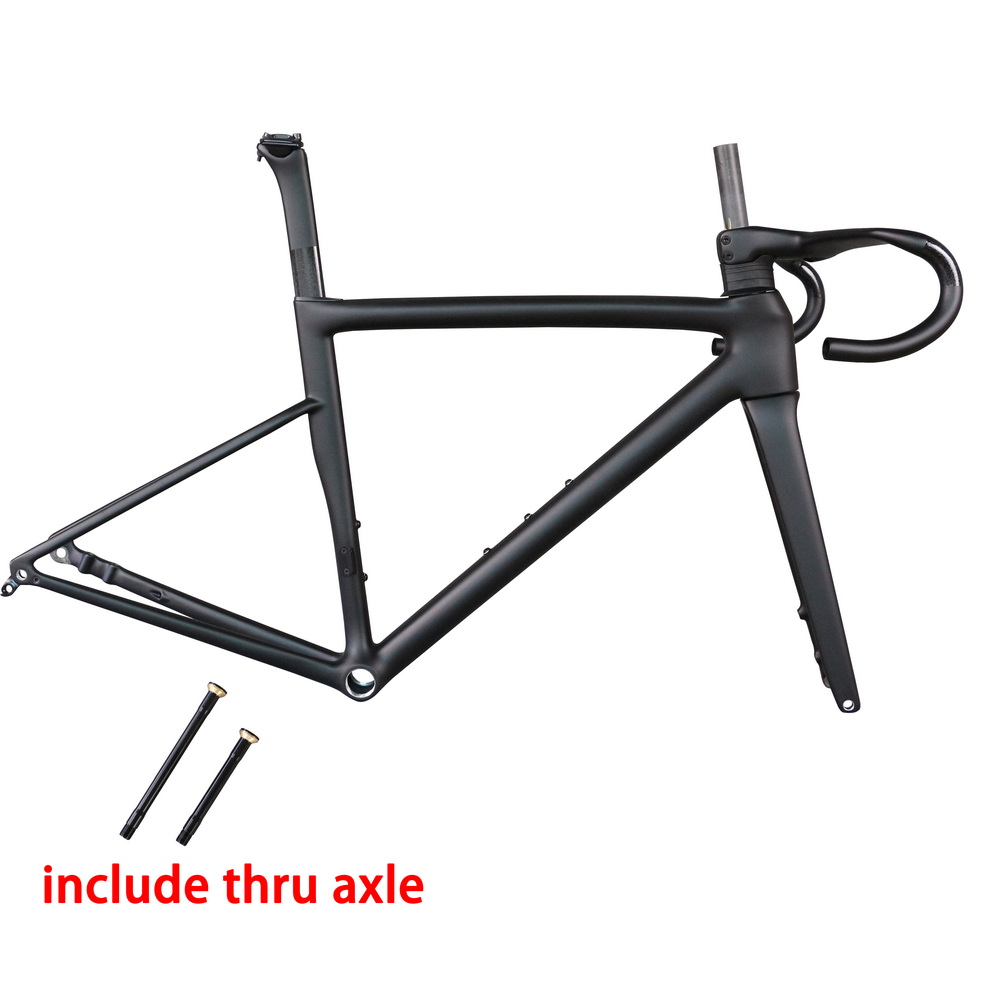
Tantan/Seraph TT-X68
+ 1 caractéristique

LightCarbon LCR018-D
+ 1 caractéristique

Tantan/Seraph GR208
+ 1 caractéristique
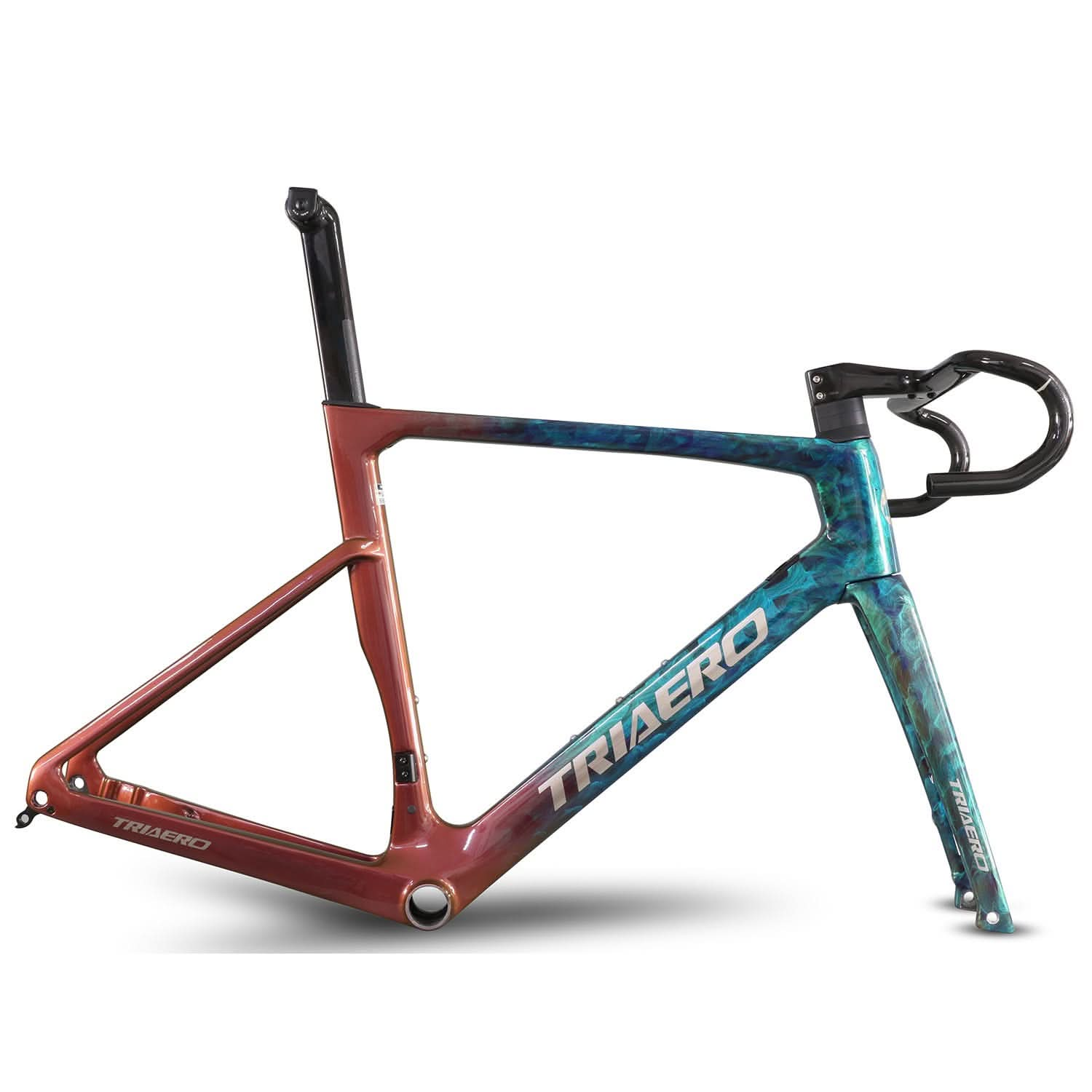
ICAN A9
+ 1 caractéristique
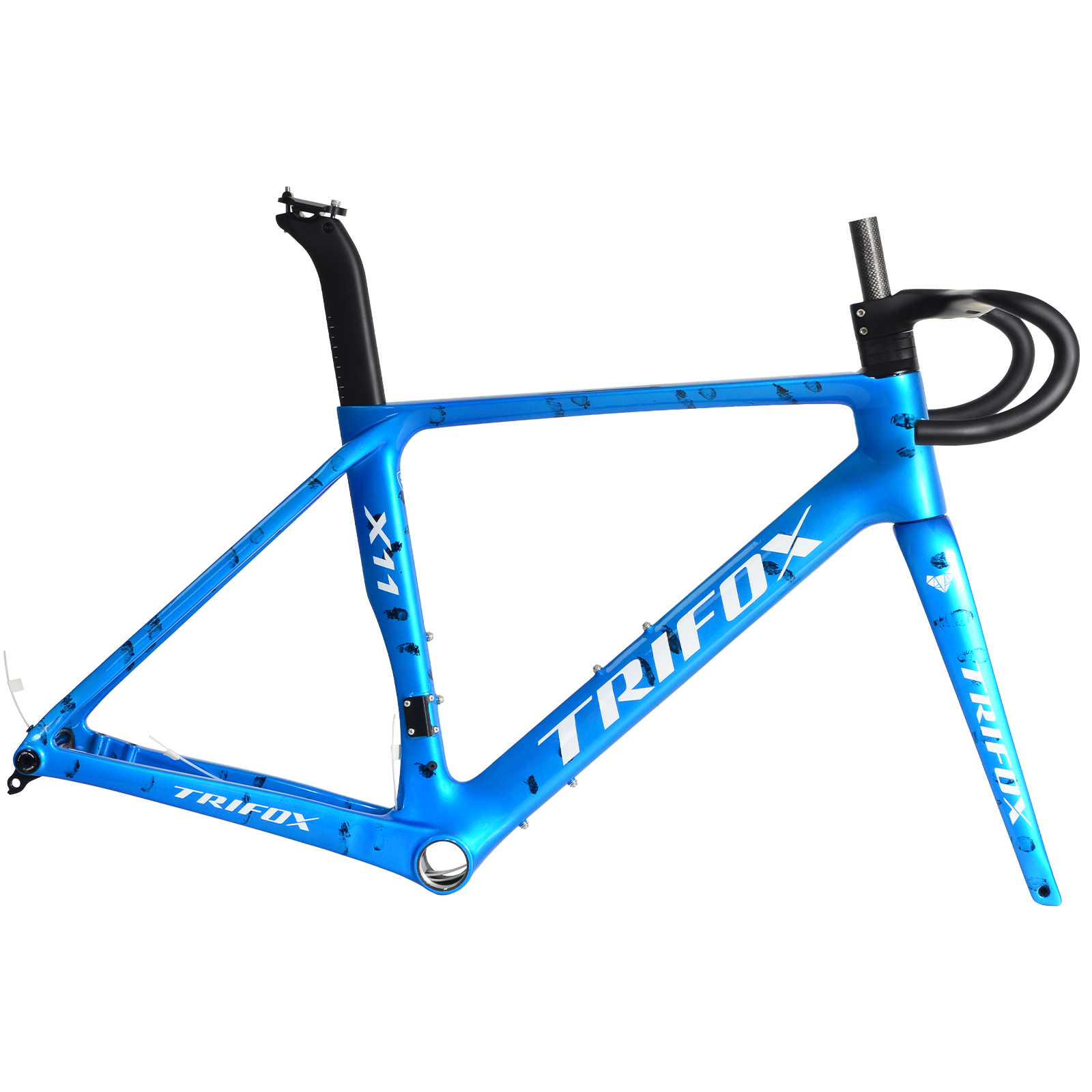
TRIFOX X11 + cintre (handlebar)
+ 1 caractéristique

ICAN Flyee
+ 1 caractéristique

ICAN Graro
+ 1 caractéristique

BXT gravel 135 + cintre (handlebar)
+ 1 caractéristique

Elves Bike Vanyar
+ 1 caractéristique

Elves Bike Avari

Elves Bike Mori aerox
+ 1 caractéristique

BXT GRAVEL
+ 1 caractéristique


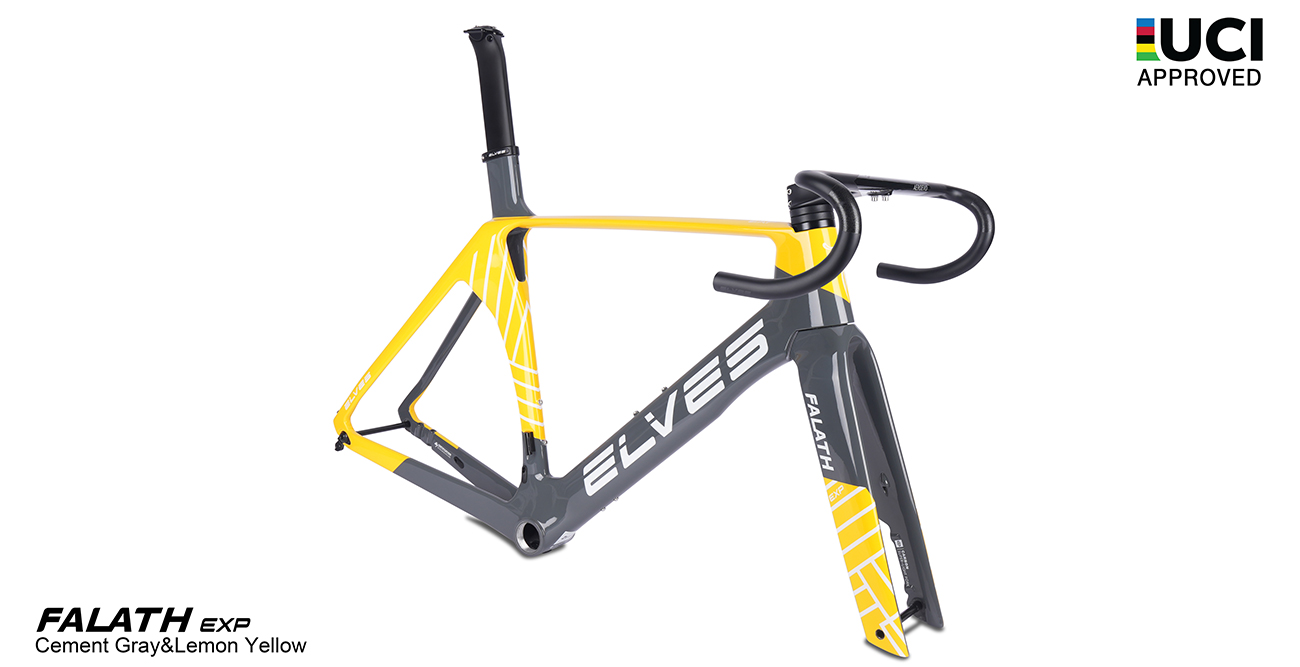

BXT gravel route
+ 1 caractéristique
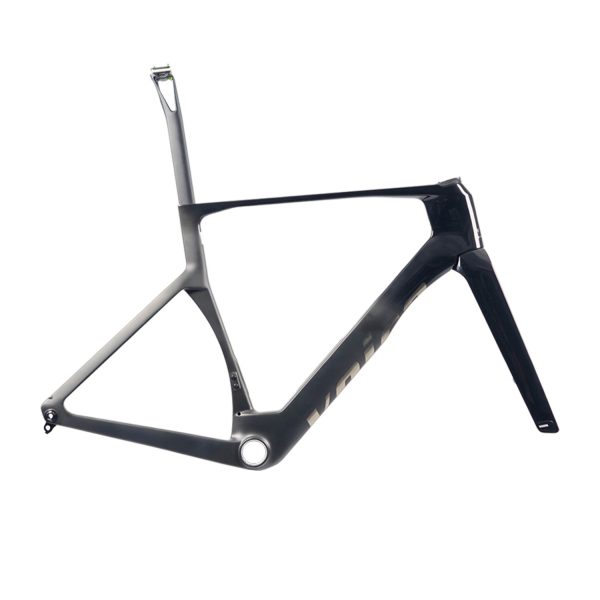
VoiceVelo VFV ECHO VH Aero Road
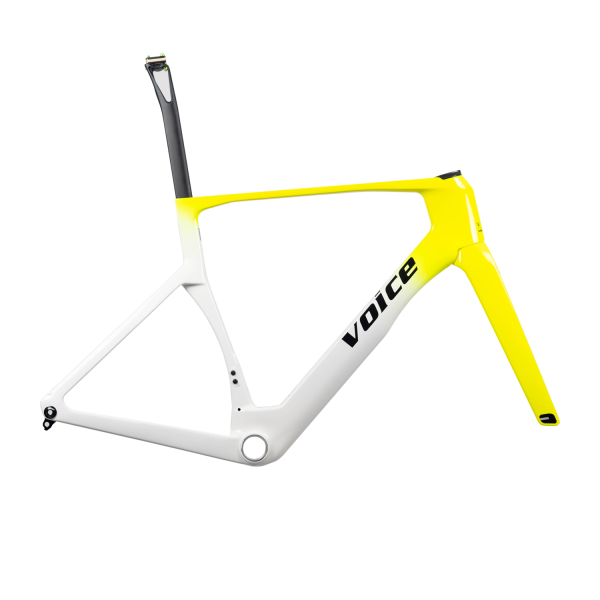
VoiceVelo VFV ECHO VO Aero Road
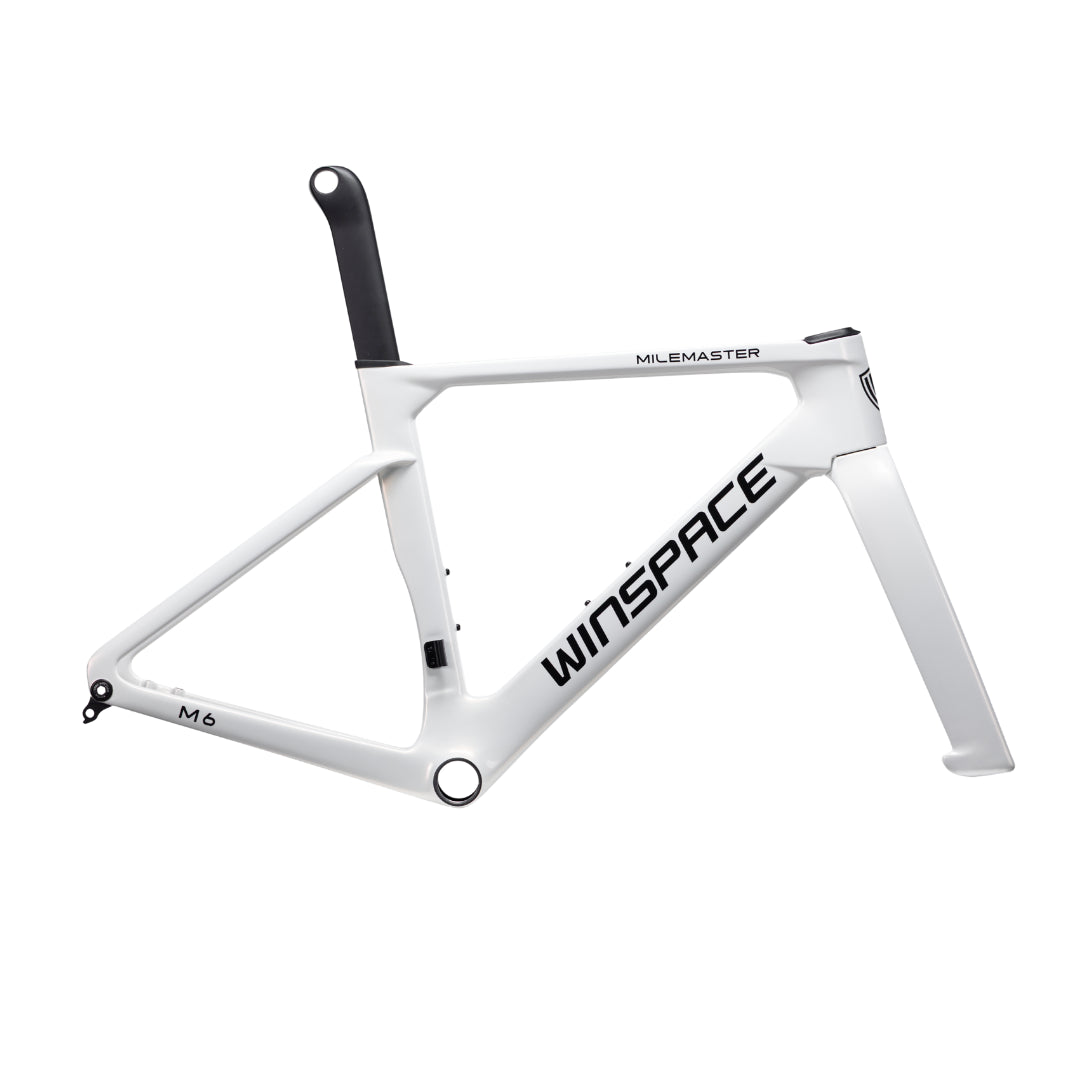
Winspace M6

Winspace G3


Winspace Agile
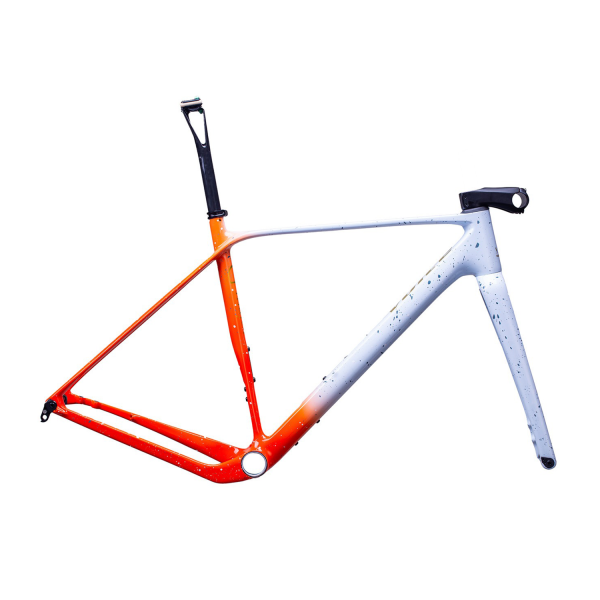
VoiceVelo VFV G-Major Gravel
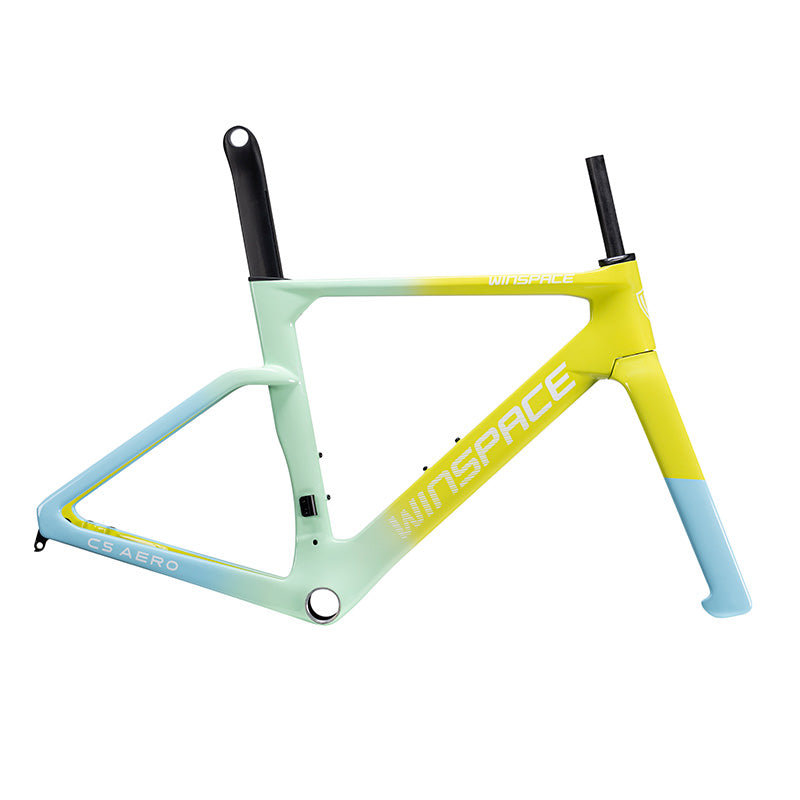
Winspace C5 Aero
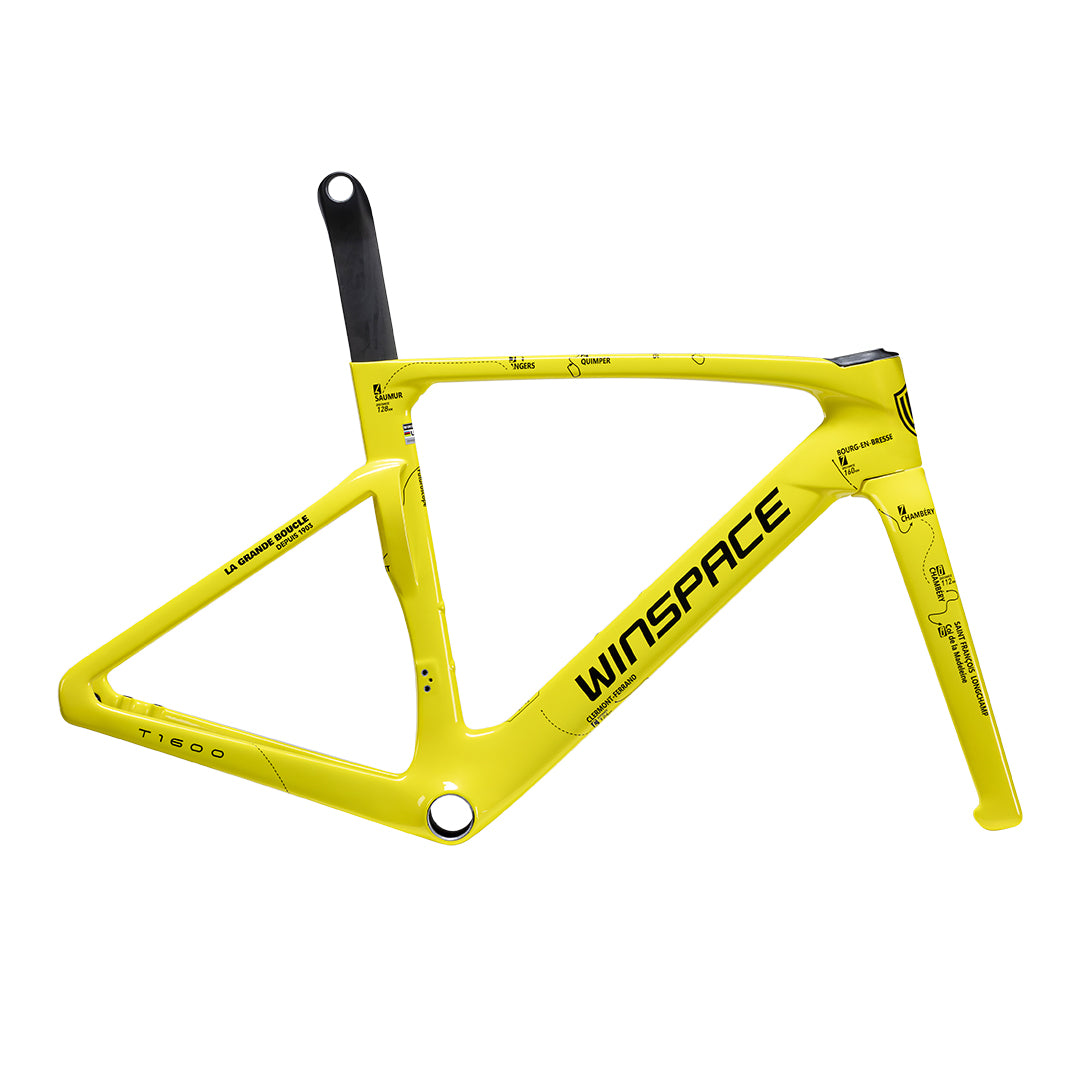
Winspace T1600
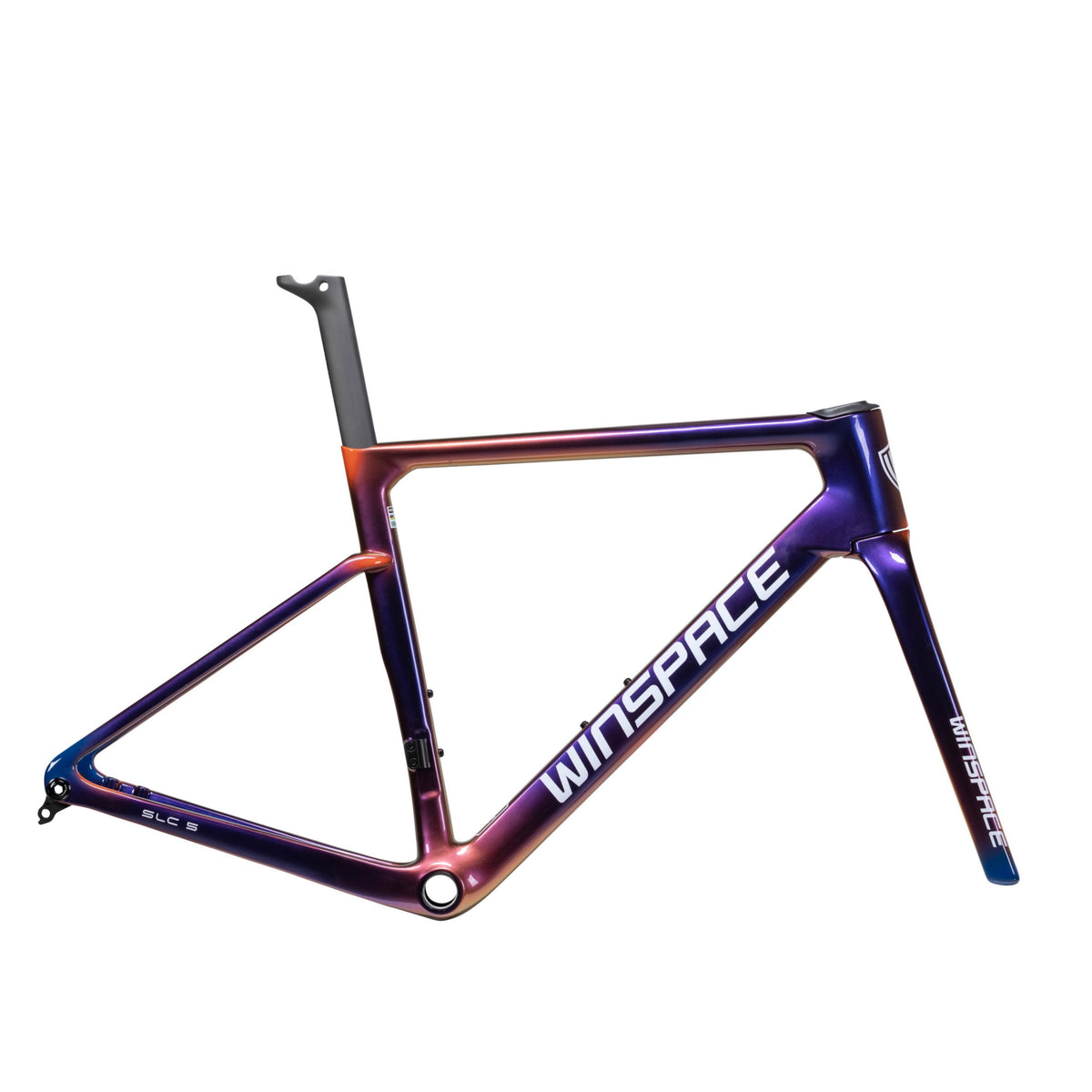
Winspace SLC5
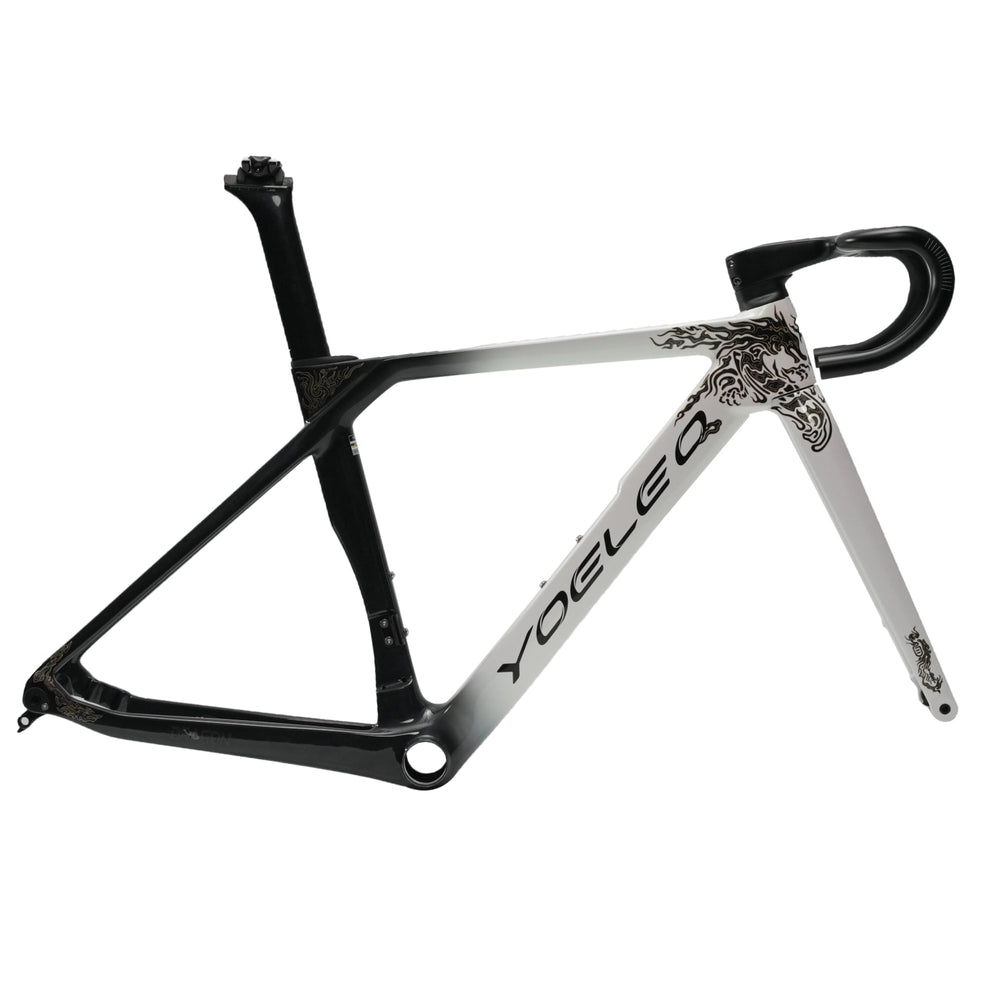
Yoeleo R12 Carbon Road
How I put this comparison together
I don't have 30 frames delivered to my living room: my partner wouldn't be too happy, and we'd be right back where we started. So the data comes from the sellers' product specifications. I've supplemented it with my own testing wherever I've had the chance to ride the frame: -
- Price: taken from the seller's website on the date of the latest update, [excluding / including] delivery, VAT and customs duties. Prices change frequently (promotions, exchange rates, shipping costs). Always check the seller's website before ordering.
- Weight: poids annoncé par le fabricant pour. Quand le cintre est inclus, c'est indiqué dans le nom (« + cintre »). Les fabricants ne sont pas toujours d'une honnêteté exemplaire sur ce point : quand j'ai pesé moi-même, je le précise.
- Selection: disc-brake frames with thru-axles only, sold online and available for delivery to France.
How do you choose your new carbon frame?
Before clicking the buy button for your next frame, it's worth taking a moment to think things through. Start by making a list of the components you'll be keeping and those you'll need to buy. The components you already own will narrow down your choice of frames. And the ones you'll have to replace can make the bill climb much faster than expected!
Which accessories will require you to give some thought before making a purchase?
The stem or your integrated handlebar. If you're keeping either of them, you'll need a frame with the same fork steerer tube diameter. The vast majority of frames in this comparison have a tapered steerer tube (1-1/8" at the top, 1-1/2" at the bottom). A few, such as the Trifox X11 and the BXT gravel/road frame, specify a 1-1/8" steerer tube, so check carefully. Also watch out for integrated cockpits: when the cables and hoses run through the headset, you'll often need specific spacers and a compatible stem. Otherwise, you'll need an adapter, a new stem or even a new handlebar.
The bottom bracket. It isn't particularly expensive, but it determines which cranksets you can fit. In this comparison, T47 (threaded) dominates: 20 frames out of 30, including the two VoiceVelo frames with T47A. There are also four frames with BSA/BB68 (also threaded), one with BB86 (ICAN A9) and one with BB386 (Yoeleo R12), the latter two being press-fit standards. My advice: prioritise a threaded bottom bracket. A well-machined press-fit system works perfectly well, but if the frame's tolerances are a bit off, you'll get that famous "creak, creak" with every pedal stroke. At that point, it's no longer the frame bringing you closer to Pogačar, but the noise bringing you closer to a nervous breakdown! If you're keeping your groupset, check that your crankset (24 mm Shimano axle, SRAM DUB, etc.) is compatible with a bottom bracket designed for the new frame. For the VoiceVelo's T47A, ask the seller for the exact width before ordering the bottom bracket.
The seatpost. With a standard round diameter (27.2 or 31.6 mm), it's easy to find a compatible seatpost. UNLESS the frame uses a proprietary seatpost, as is the case with four frames in this comparison, including the Seraph TT-R18 and TT-X68. In that case, you can throw away your old seatpost along with your old frame… and pray that the seller still has some in stock when you eventually break the new one. For gravel, a 31.6 mm diameter, as used on the Seraph GR208, gives you a much wider choice of dropper seatposts.
The drivetrain. Most frames accept either a mechanical or electronic groupset. A few only support electronic groupsets (VoiceVelo ECHO VH and VO, Winspace T1600), so your trusty old mechanical groupset will have to stay in the garage. If you're planning to use a SRAM drivetrain with a derailleur mounted directly to the axle, check that the frame has a UDH hanger. Some models specify this, including the Seraph TT-R18, GR201 and GR208.
The wheels. Good news: all the frames in this comparison use 12 × 100 mm front and 12 × 142 mm rear thru-axles, along with disc brakes. If your current wheels use quick-release skewers or rim brakes, however, you'll need to add another item to your budget. That's what my wheel comparison is for! Also check the maximum tyre clearance, especially for gravel:
What questions should you ask yourself before buying your next frame?
To start with, you need to be honest with yourself and ask what is really driving your desire for a change. I've often wanted a new bike, and I've often wanted something faster, but the real motivation was mostly aesthetic. If you already own a carbon frame in good condition, switching to another one won't give you an extra 50 watts. However, if you're currently riding an aluminium or other type of frame, upgrading to carbon can make a difference.
If it's an aesthetic choice (no judgement here, we've all been there), start by browsing the frames to work out what appeals to you. And if your decision is based on the type of riding you do, here's how to choose.
Road, gravel, aero or triathlon: which carbon frame should you choose?
An aero frame? Aerodynamic tube profiles, often an integrated cockpit and a proprietary seatpost: this is the choice for riders who go fast and regularly ride on flat terrain. As with deep-section wheels, the benefits really start to become noticeable above 30 km/h. The trade-off is that these frames are generally stiffer and slightly heavier. In this comparison: the VoiceVelo VFV ECHO VH and VO.
Read my full article on this type of bike!
A frame for climbing? Here, we're looking for low weight and stiffness when accelerating. The Seraph TT-X68 (1.42 kg), ICAN Flyee (1.43 kg) and Elves Vanyar (1.52 kg) are the lightest frames in this comparison. If you live in the north of the country, don't get too tempted: you'll have paid for grams you'll never have to climb with!
Read my full article on this type of bike!
A gravel frame? Wide tyre clearance, more relaxed geometry and often mounting points for luggage: it's the Swiss Army knife of this comparison. There's something for every budget, from the Seraph GR201 at €503 to the VoiceVelo G-Major at €1,826. A gravel bike with a set of road wheels can also make an excellent endurance road bike.
Read my full article on this type of bike!
A triathlon frame? A very forward riding position, aero extensions and aerodynamics above all else. It's fantastic for triathlons and time trials, but much less suitable for a club ride where you'll spend most of your time away from the brakes. Best left to dedicated triathletes. In this comparison: the Elves Amanyar.
A Tour de France replica frame? A "Specialized SL8-style" frame? Many Asian frames take inspiration (sometimes very heavily) from WorldTour models. Taking inspiration isn't the same as copying: a design similar to the SL8 isn't a problem. A frame sold for €400 on AliExpress with the Specialized logo on it, however, is! More on that just below.
Are Chinese carbon frames reliable?
This is THE question I'm asked most often, usually followed closely by: "Aren't you worried it might break?" My answer is that a Chinese carbon frame is neither better nor worse by nature. In fact, a large proportion of frames from European and American brands are also manufactured in Asia. What makes the difference is the brand selling it, its quality control and its after-sales service.
Open-mould or in-house design?
Many smaller brands sell open-mould frames: the same frame is offered by several sellers, each with a different paint job. This isn't necessarily a drawback, and it's often what makes such low prices possible. However, quality control, the warranty and after-sales support are entirely dependent on the seller. Other brands develop their own models and carry out their own testing. They're more expensive, but you know who you're dealing with.
T700, T800, T1000: what does it mean?
These designations refer to carbon fibres manufactured by the Japanese company Toray. The higher the number, the stronger the fibre and the more expensive it is. But, just as with wheels, the fibre grade doesn't tell the whole story: the layup (how the layers are arranged), the amount of resin and the quality of the assembly are just as important. A poorly designed "T1000" frame will be inferior to a well-designed T700 frame. In short, a lot also depends on the work done by the factory's skilled hands!
Standards and UCI approval
In Europe, the main safety standard is ISO 4210 (Part 6 describes the tests for frames and forks). Don't hesitate to ask the seller for test reports: a reputable seller will have no problem sending them to you. A seller who changes the subject… has already given you your answer.
As far as the UCI is concerned, it's simple: if you compete in events governed by UCI regulations, your frame must appear on the [list of approved frames](https://fr.uci.org/). For club rides, sportive events and Sunday outings, it makes absolutely no difference.
Counterfeits: the trap to avoid
A frame bearing a major brand's logo and selling for a rock-bottom price is counterfeit. Besides being illegal (and liable to seizure by customs), there's no way of knowing how it was made: no testing, no warranty and no recourse. If the price of a "Tarmac SL8" seems too good to be true, it's fake. To help you tell the difference, read my guides: Generic or counterfeit? and How to avoid bad AliExpress sellers.
Proprietary components: the pitfalls of modern frames
Many frames on the market use proprietary components. You need to pay close attention to this! A specially shaped seatpost might look great, but if you break it one day, finding a replacement could prove difficult. Especially if the brand is on the other side of the world and has since moved on to a new model.
The same goes for integrated cockpits, headset spacers, headset bearings with unusual dimensions and derailleur hangers. Check the dimensions of the fork steerer tube and headset bearings. Canyon, for example, uses a proprietary steerer tube that requires a compatible stem (often sold by the brand itself: they certainly know how to do business!), which can make it difficult to reuse your existing components.
My advice: order a spare derailleur hanger at the same time as the frame. It only costs a few euros, and when you bend it, you won't be left without a bike for three weeks while waiting for a parcel from China. And since we're talking about carbon: a torque wrench and carbon assembly paste are essential. Carbon really doesn't like bolts being tightened "by feel".
How much does an imported carbon frame really cost?
The advertised price isn't always the price you end up paying! Several additional costs may apply to a frame shipped from China:
- Shipping, because a frame box is fairly bulky;
- 20% VAT, payable on import: the small-parcel exemption was abolished in 2021;
- Customs duties and the carrier's handling fees, including the dreaded customs clearance charges.
There are two possible scenarios. With DDP delivery, the seller pays the duties and taxes, so the advertised price is the final price. Otherwise, you'll have to pay when the parcel arrives, and the surprise is rarely a pleasant one. A real-world example: when I tested the VOSO Basic 50 wheels , the advertised price of €557 rose to €702 once shipping, VAT and customs charges were included. That's a 26% increase!
Some brands have warehouses in Europe, or sell through AliExpress with stock held in Europe: no customs charges, faster delivery and easier returns if something goes wrong. Also read the return policy before ordering: shipping a frame box back to China is expensive, and you'll often have to pay for it yourself.
Weight is everything! How much should a carbon frame weigh?
However, you shouldn't choose your next frame based on this criterion alone. What counts as a lightweight frame? I consider any frame weighing less than 800 grams (excluding the fork) to be in this category. The weight saving will be most noticeable on climbs. If, like most people, you live somewhere without many mountains, you can easily consider frames weighing around 1,000 g (excluding the fork). That opens up a large proportion of the frames on the market.
Dans ce comparatif, les poids indiqués concernent. Sachant qu'une fourche carbone pèse généralement entre 350 et 450 g, la plupart des kits se situent entre 1,4 et 1,9 kg. Le plus léger est le Seraph TT-X68 (1,42 kg), talonné par l'ICAN Flyee (1,43 kg). Au-delà de 2 kg, il s'agit de kits avec cintre intégré (Trifox X11, BXT gravel 135) ou de cadres spécifiques, comme le triathlon Elves Amanyar.
And to put things into perspective: before spending an extra €300 to save 200 g on your frame (roughly the weight of half a water bottle), ask yourself whether there aren't easier ways to shed some weight. I'm saying that to myself too… especially when it comes to the pizza parlour.
your questions about carbon frames
Is a Chinese carbon frame reliable?
Yes, provided it comes from a reputable brand, with testing (ISO 4210 standard), a warranty and accessible after-sales support. The country of manufacture matters less than the seller. Counterfeit frames, on the other hand, should be avoided.
How much does a carbon frame cost?
In this comparison, prices range from €477 (Seraph TT-R18, Trifox X18) to €2,699 (Winspace SLC5). Under €800, you can already choose from 11 road and gravel frames. Remember to add shipping, VAT and any applicable customs duties.
Combien pèse un cadre carbone ?
Entre 800 et 1 000 g pour le cadre seul en général. Avec la fourche, la plupart des kits du comparatif pèsent entre 1,4 et 1,9 kg.
Can I transfer my current groupset to a new frame?
In most cases, yes. Check the bottom bracket, fork steerer tube, seatpost and drivetrain type: some frames only support electronic groupsets.
Puis-je remonter mon groupe actuel sur un nouveau cadre ?
Le plus souvent, oui. Vérifiez le boîtier de pédalier, le pivot de fourche, la tige de selle et le type de transmission : certains cadres n'acceptent que l'électronique.
What frame size should you choose?
Don't rely solely on S, M and L sizing: compare the stack and reach of your current bike with those of the new frame. Everything is explained in my guide: What Bike Size Should You Choose?
Are the frames in this comparison UCI-approved?
Not all of them. If you compete in events governed by UCI regulations, check the official list. For everything else, it doesn't matter.
 Français
 English